
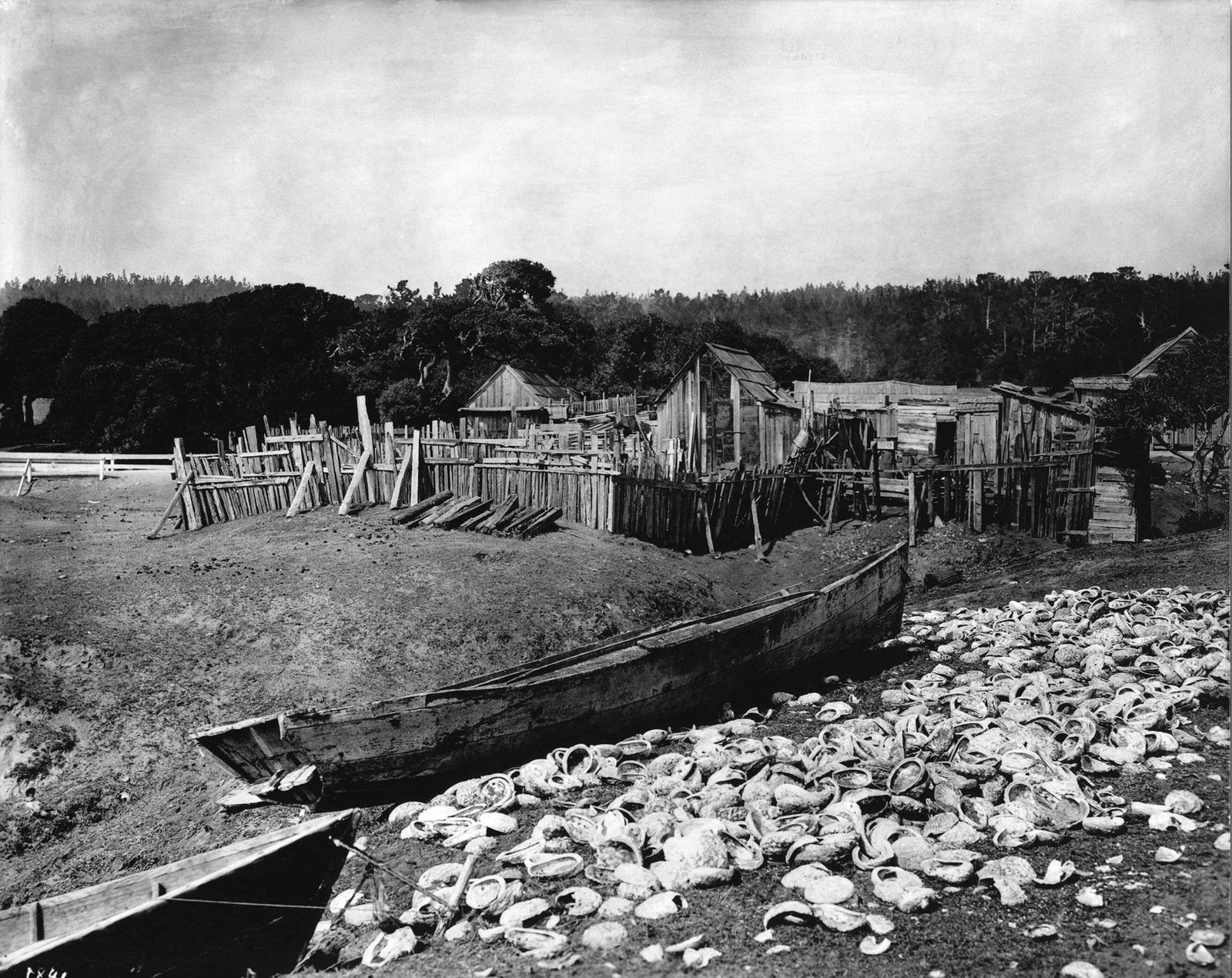
The Railways That Shaped Santa Cruz
And the Chinese pioneers who built them.
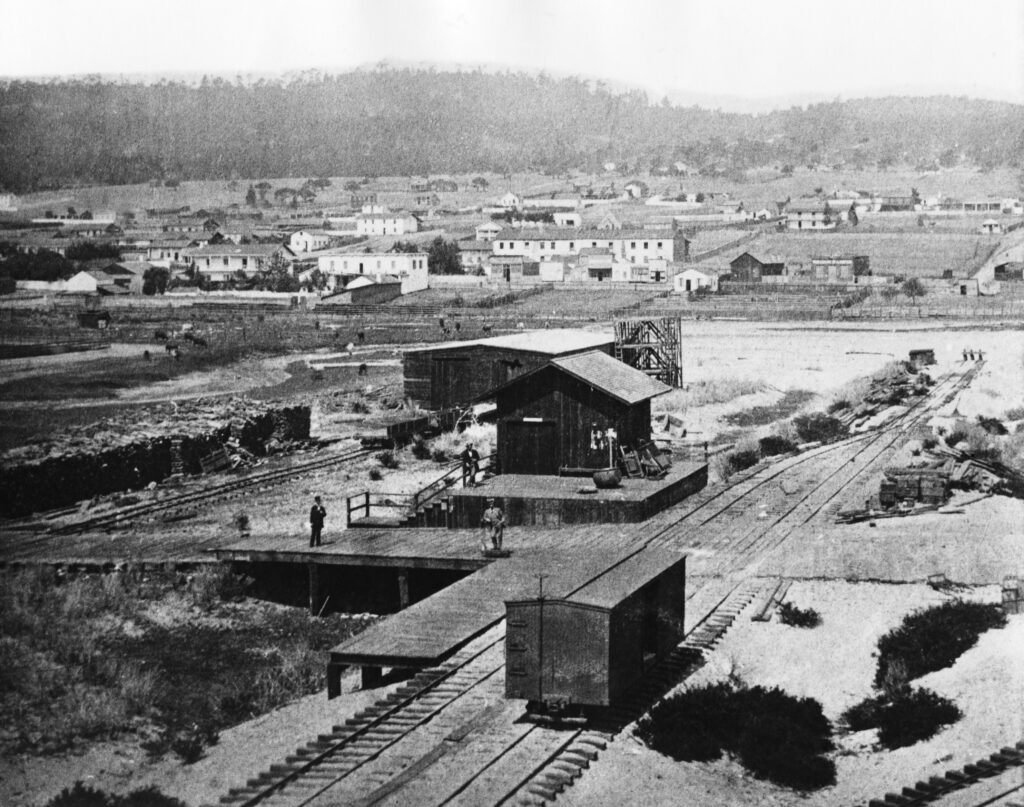
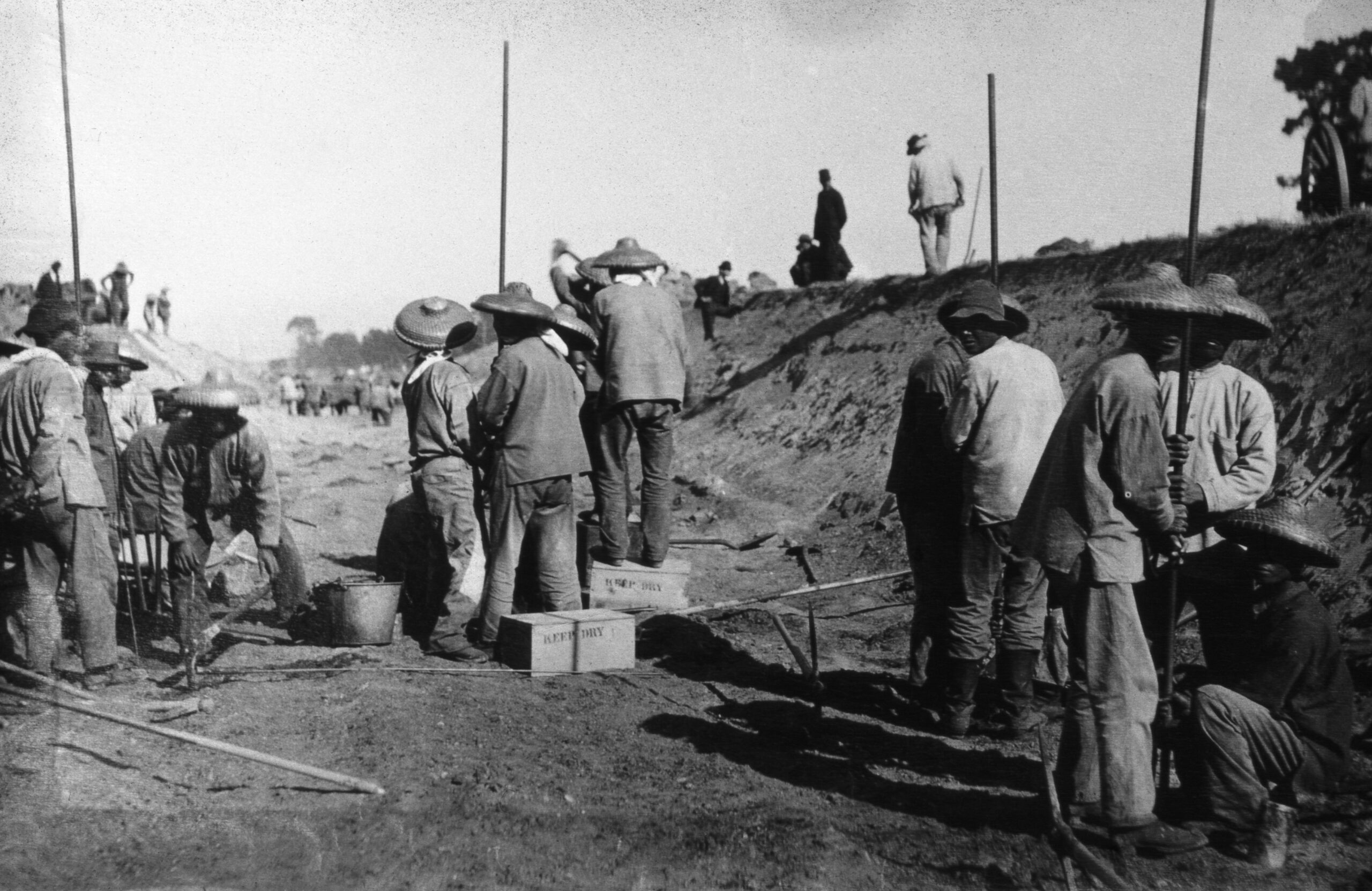
Long before highways connected the coast to the rest of California, the rugged Santa Cruz Mountains stood as a barrier between the seaside communities and the booming trade routes of the Bay Area. It was the railroad that first bridged that gap — cutting through mountains, spanning canyons, and transforming Santa Cruz from an isolated outpost into a thriving destination. And at the heart of this monumental effort were Chinese laborers — skilled, determined, and often forgotten.
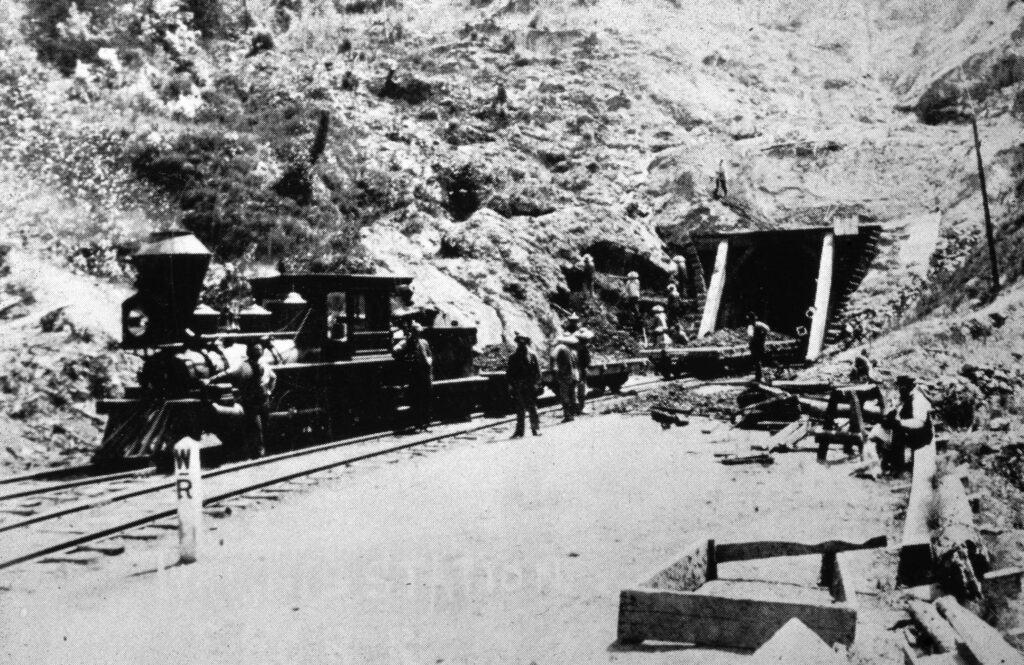
In the late 1800s, the arrival of the railroad changed everything. Projects like the South Pacific Coast Railroad, launched in 1876, carved a path from Alameda down to Santa Cruz, crossing the mountains through a series of deep cuts, high trestles, and long, dark tunnels. This was backbreaking, dangerous work — and much of it fell to Chinese crews.
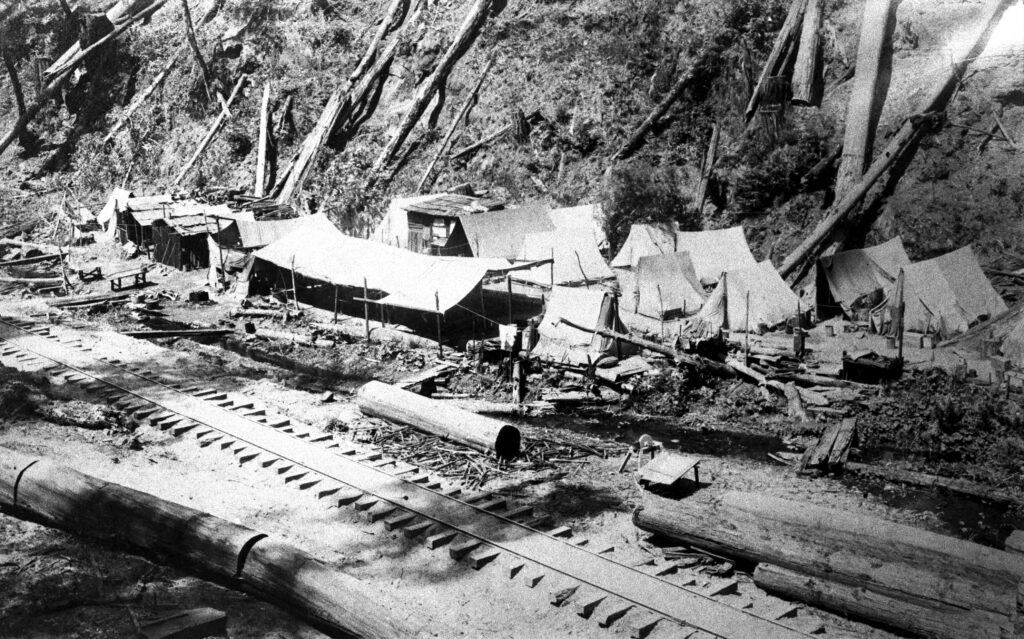
These Chinese workers, many of whom had already helped build the Central Pacific Railroad across the Sierra Nevada, now turned their attention to the coast. They blasted through solid rock, laid track in treacherous terrain, and labored under harsh conditions for little pay and no recognition. In places like the Mountain Charlie Tunnel and the Summit Tunnel, their efforts left a permanent mark on the landscape — and on local history.
Despite their critical role, Chinese railroad workers faced constant discrimination and were often erased from the official narrative. They were excluded from photographs, records, and ceremonies. But the legacy of their work is still visible today — in the ghost tunnels that dot the hills, in the abandoned rail lines swallowed by redwoods, and in the economic development they helped spark across Santa Cruz County.
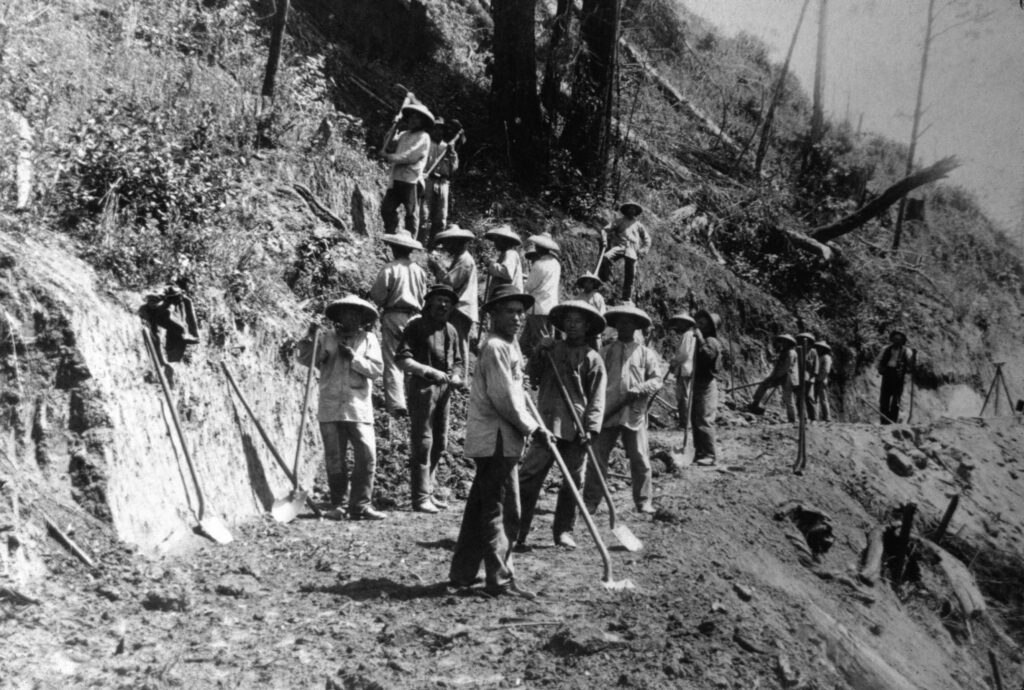
Today, as we walk old rail trails or drive through mountain passes once conquered by rail, we remember not just the trains — but the hands that laid the tracks.
By Flex Kids Culture.
References & further reading
- Railroads of the Monterey BaySanta Cruz Trains ↗
- The story behind those old train tunnels in the Santa Cruz MountainsKQED News ↗
- Tunnels: Mountain Charlie Tunnel (#4)Santa Cruz Trains ↗
- People: Chinese railroad crewsSanta Cruz Trains ↗
- The ghost train and hidden tunnels in the Santa Cruz MountainsSLV Post ↗
- The horrors of the Summit TunnelHilltromper ↗